Mass timber building under construction with exposed wood structure

The Promise of Mass Timber

Tall Wood
Low Carbon

The built environment is directly and indirectly responsible for nearly 40% of global carbon emissions. Cleaner electricity solves only part of the problem. The materials we build with are the next climate decision.

Explore four connected stories
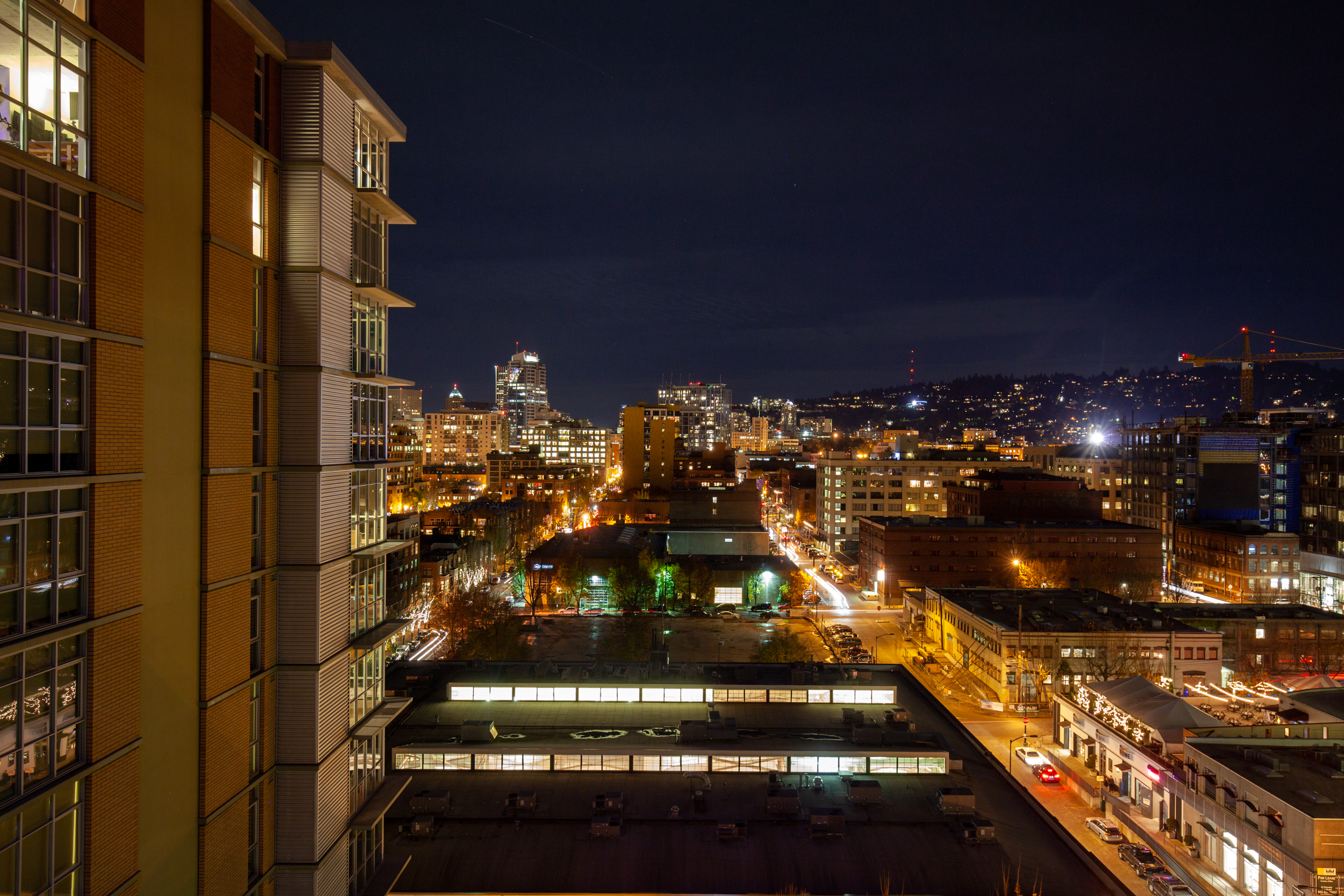
City buildings illuminated at night
01

Climate and the Built Environment

The built environment accounts for nearly 40% of global carbon emissions—primarily from the energy buildings use and the materials required to construct them. Buildings sit at the center of the climate problem, which means the next generation of buildings can be part of the solution.

Enter the visual story →
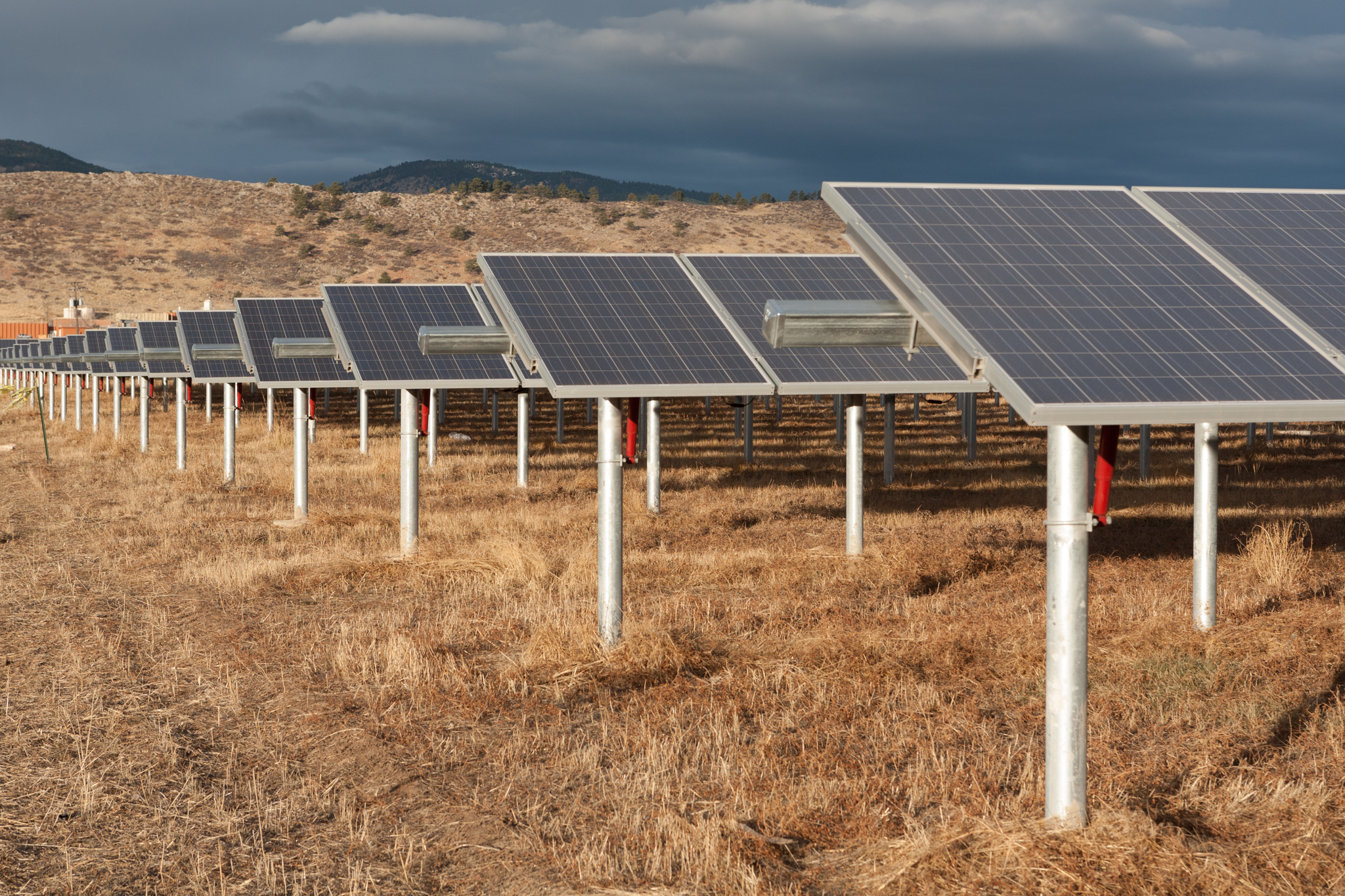
Solar panels generating renewable electricity
02

The Greening of the Grid

The electrical grid is rapidly getting cleaner. As operational emissions fall, more of a building’s lifetime climate impact comes from the carbon released before it opens—putting low-carbon building materials in the spotlight.

Visual story coming next
Concrete being poured at a construction site
03

Why Upfront Carbon Matters

Operational carbon can decline as the grid improves. Upfront carbon is different: emissions from concrete, steel, and construction are released immediately and permanently, when reductions matter most.

Visual story coming next
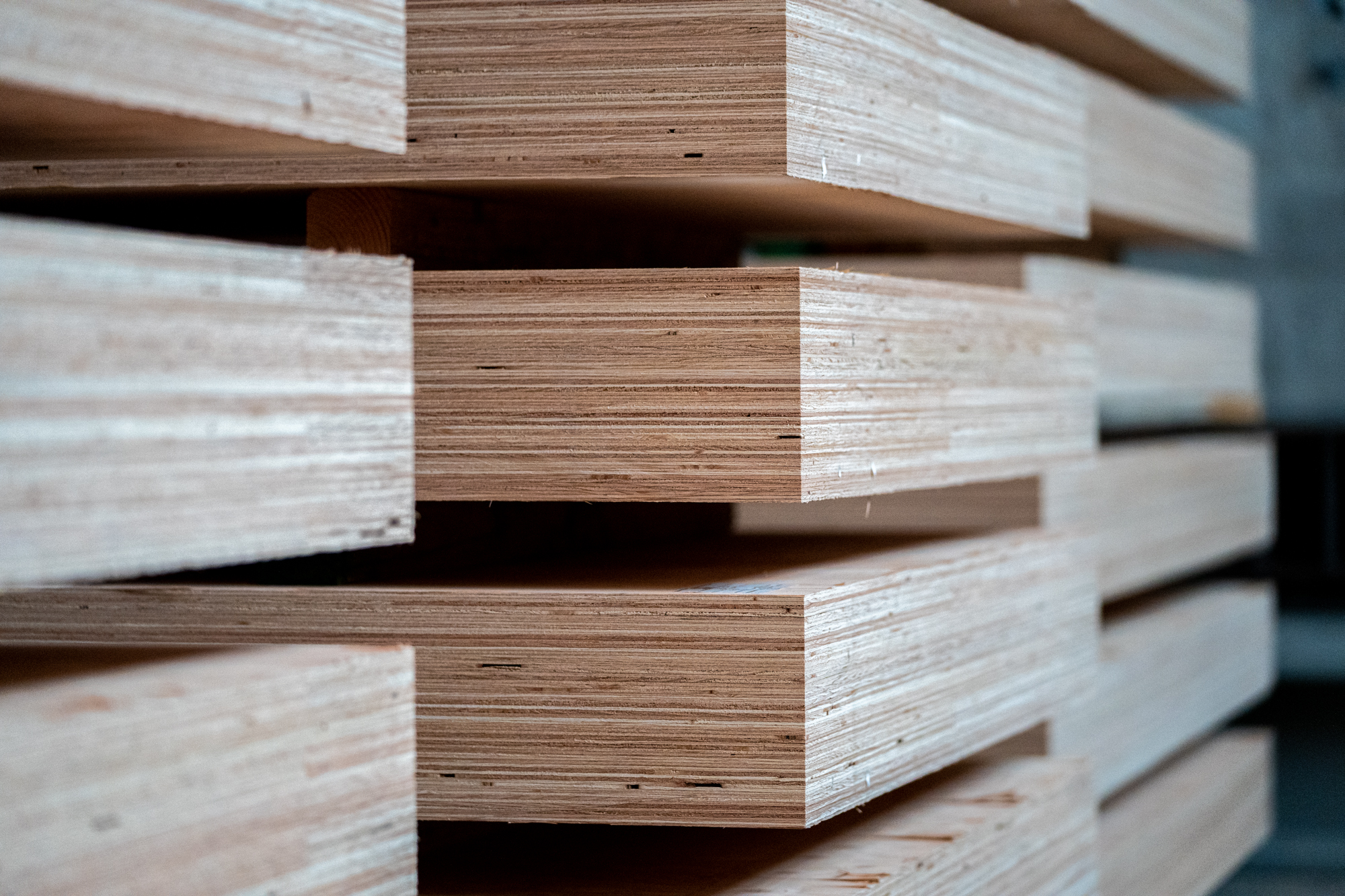
Close view of layered mass timber panels
04

A Future Built of Wood

Mass timber can replace emissions-intensive materials while storing carbon in long-lived buildings. It complements renewable energy with a renewable, lower-carbon material that is ready to build with today.

Visual story coming next

Renewable energy.

Renewable materials.

Adapted from original work created for Oregon Department of Forestry Mass Timber.